

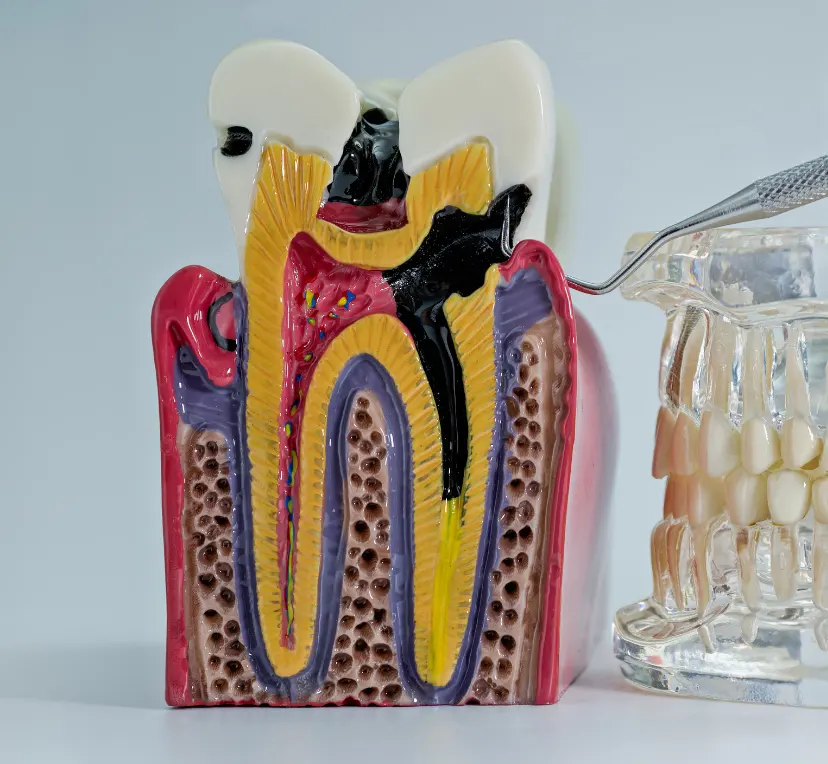
Root Canal Therapy in Flower Mound, TX

Relieve Dental Pain and Help Save Your Natural Tooth

When a tooth becomes infected or severely damaged, root canal therapy may be recommended to remove the infection, relieve discomfort, and preserve your natural tooth.

At Northshore Family Dental, we provide root canal therapy with a careful and comfortable approach. Our goal is to help you understand why treatment is recommended, what to expect during the procedure, and how we can help protect your natural tooth.

If you are experiencing persistent tooth pain, sensitivity, swelling, or discomfort when chewing, contact Northshore Family Dental at 972-471-3045 to schedule an evaluation.

What Is Root Canal Therapy?

Root canal therapy is a dental procedure used to treat inflammation or infection inside a tooth.

Inside every tooth is a soft tissue called the pulp, which contains nerves and blood vessels. When the pulp becomes inflamed or infected because of deep decay, a crack, trauma, or other damage, root canal treatment may be necessary.

During root canal therapy, the affected tissue is carefully removed, the inside of the tooth is cleaned and disinfected, and the root canals are sealed. The tooth can then be restored to help protect it and allow you to continue using your natural tooth.

Woman experiencing tooth pain before a root canal evaluation in Flower Mound, TX

Why Might I Need a Root Canal?

Root canal therapy may be recommended when the pulp inside a tooth has become inflamed, infected, or irreversibly damaged. The cause and symptoms can vary from one tooth to another.

01
Common Causes

What Can Damage the Pulp?

The tissue inside a tooth can become inflamed or infected for several different reasons.

  • Deep tooth decay
  • A large or failing filling
  • A cracked or fractured tooth
  • Dental trauma or injury
  • Repeated dental procedures on the same tooth
  • Infection inside the tooth
02
Possible Signs

Signs You May Need Root Canal Therapy

Symptoms can vary from person to person, and some damaged or infected teeth may cause only mild symptoms.

  • Persistent toothache
  • Sensitivity to hot or cold
  • Pain when biting or chewing
  • Lingering sensitivity after eating or drinking
  • Swelling around the tooth or gums
  • A pimple or bump on the gums
  • Darkening or discoloration of a tooth
  • Tenderness around the tooth

Some patients experience significant pain, while others may have very few symptoms. An infected or damaged tooth does not always hurt.

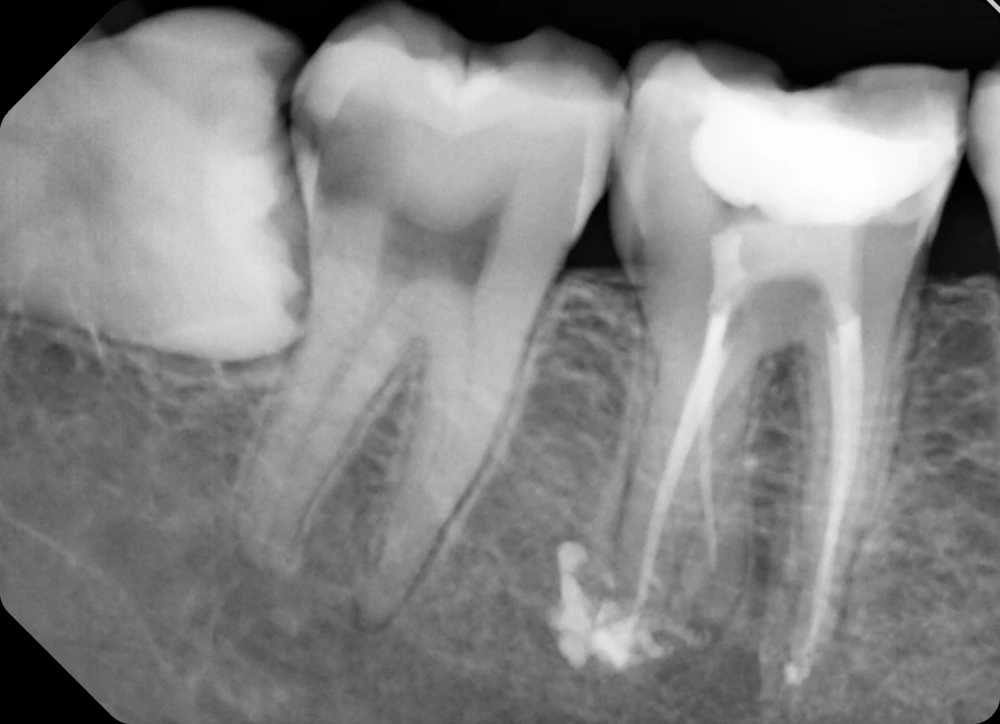
An examination and appropriate dental imaging can help determine what is happening inside the tooth and whether root canal therapy may be appropriate.

If you are experiencing these symptoms, it is important to have the tooth evaluated rather than waiting for the discomfort to disappear on its own.

How Does Root Canal Therapy Work?

Root canal treatment involves several carefully planned steps to remove infected or inflamed tissue, clean the inside of the tooth, and help protect the tooth for continued function.

01

Examination & Diagnosis

We first evaluate the tooth and your symptoms. Dental X-rays and other diagnostic information may be used to determine the condition of the tooth and whether root canal therapy may be appropriate.

02

Numbing the Tooth

Before treatment begins, the area around the tooth is carefully numbed with local anesthesia. Our goal is to keep you comfortable throughout the procedure.

03

Removing the Inflamed or Infected Pulp

A small opening is made in the tooth to access the pulp chamber and root canals. The damaged or infected tissue is then carefully removed.

04

Cleaning & Disinfecting the Root Canals

The inside of the tooth is thoroughly cleaned and shaped to remove bacteria, debris, and infected tissue from the root canal system.

05

Sealing the Root Canals

Once the canals have been cleaned, they are filled and sealed with a biocompatible material to help reduce the chance of bacteria entering the treated area again.

06

Restoring the Tooth

After root canal therapy, the tooth may need a permanent restoration such as a filling or dental crown depending on the amount of remaining tooth structure and the location of the tooth.

A crown is often considered when the treated tooth needs additional protection from fracture, particularly when a significant amount of natural tooth structure has been lost.

Comfortable root canal treatment and recovery care at Northshore Family Dental in Flower Mound, TX

Comfort & Recovery

Comfortable Treatment & Recovery After Root Canal Therapy

We want you to know what to expect both during treatment and in the days afterward so you can feel more comfortable and prepared throughout the process.

During Treatment

Are Root Canals Painful?

One of the most common concerns about root canal therapy is whether the procedure will be painful.

Modern dental techniques and local anesthesia allow us to perform root canal treatment while keeping the area comfortably numb.

Many patients seek root canal treatment because the tooth itself is already causing significant pain or sensitivity.

After Treatment

What Should I Expect After a Root Canal?

After root canal therapy, the treated tooth may feel sensitive or tender for a few days.

  • Avoid heavy chewing on the treated tooth until the permanent restoration has been completed when advised.
  • Follow your dentist’s instructions during the healing period.
  • Complete the recommended final restoration to protect the tooth.
  • Contact our office if you experience worsening pain, swelling, or other unexpected symptoms.

A tooth that has undergone root canal therapy may require additional protection depending on how much natural tooth structure remains.

Preserve Your Natural Tooth

Saving Your Natural Tooth Whenever Possible

Root canal therapy may allow an infected or damaged tooth to remain in your mouth rather than being removed. Whether a tooth can be saved depends on its condition, remaining structure, and surrounding support.

Root Canal Therapy

Can a Root Canal Save My Tooth?

In many cases, root canal therapy can allow a damaged or infected natural tooth to remain in the mouth rather than being extracted.

Preserving a natural tooth can help maintain normal chewing function and may help avoid the need to replace the tooth after extraction.

Not every tooth can be successfully treated with root canal therapy. The amount of remaining tooth structure, cracks or fractures, bone support, and other factors must all be considered.

When Removal May Be Needed

Is Tooth Extraction an Alternative?

When a tooth cannot be predictably restored, extraction may be recommended. If the tooth is restorable, root canal therapy may provide an option for preserving the natural tooth.

  • Severe cracks or fractures
  • Insufficient remaining tooth structure
  • Advanced damage that cannot be predictably restored
  • Inadequate bone or periodontal support

When extraction is being considered, we will explain your options so you can understand the benefits, risks, and next steps involved in treatment.

If a tooth is extracted, replacement options may include a dental implant, fixed bridge, or removable partial denture depending on your individual needs.
Female dental professional discussing options to save a natural tooth with a patient in Flower Mound, TX

Why Choose Northshore Family Dental for Root Canal Therapy?

We focus on careful evaluation, comfortable treatment, and clear communication so you understand your options and what to expect throughout your care.

01

Comprehensive Evaluation

We take the time to evaluate your symptoms, the condition of the tooth, and your overall oral health before recommending treatment.

02

Comfortable Care

Our goal is to keep you comfortable throughout your appointment using appropriate local anesthesia and a gentle, patient-focused approach.

03

Focus on Saving Natural Teeth

When a tooth can be predictably restored, preserving your natural tooth may be an important part of your treatment plan.

04

Clear Communication

We explain what we find, why treatment may be recommended, and what your options are so you can make an informed decision about your dental care.

05

Modern Dental Technology

Our office uses modern dental technology and diagnostic tools to help evaluate your teeth and plan appropriate treatment.

Frequently Asked Questions

The length of a root canal appointment depends on the tooth being treated, the complexity of the root canal anatomy, and the condition of the tooth. Some cases can be completed in one appointment, while more complex cases may require additional visits.

Only a dental examination can determine whether root canal therapy is appropriate. Symptoms such as persistent tooth pain, sensitivity, pain when chewing, swelling, or a dental infection may indicate that the pulp inside the tooth needs evaluation.

Yes. Some teeth with pulp damage or infection may have few or no noticeable symptoms. This is why dental examinations and X-rays are important when a tooth appears abnormal or concerning.

Not every tooth necessarily requires a crown. The recommended restoration depends on the tooth’s location, the amount of remaining tooth structure, and the extent of damage. A crown may be recommended when additional protection is needed.

Most patients can return to their normal activities relatively quickly, although the treated tooth may remain tender for several days. Your dentist will provide specific instructions based on your treatment.

Although root canal therapy is intended to treat the infection and preserve the tooth, no dental treatment can guarantee a particular outcome. Persistent infection, complex root anatomy, cracks, inadequate restoration, or other factors may affect the long-term prognosis of a treated tooth.

If symptoms return after a root canal, the tooth should be evaluated to determine the cause and appropriate treatment.

An untreated infected or severely damaged tooth may continue to deteriorate and can potentially lead to an abscess, swelling, bone loss, or more extensive dental problems.

If you have been told that you may need a root canal, it is best to have the tooth evaluated and discuss your treatment options with a dentist.

COMPASSIONATE DENTAL CARE FOR THE WHOLE FAMILY IN FLOWER MOUND

Schedule Your Visit with Dr. Jihee Hong Today