
Dental Bridges in Flower Mound Tx
Seamlessly Restoring Gaps and Rebuilding Beautiful Smiles
Missing or severely compromised teeth can affect far more than just your smile. They can make everyday tasks like chewing comfortably or speaking clearly a challenge. Left untreated, adjacent teeth often shift out of alignment, which can lead to bite imbalance and jaw strain over time.
If you are missing one or more consecutive teeth, custom dental bridges offer a reliable and natural-looking solution. Our team will guide you through all available treatment options to help you choose the best approach for your long-term oral health and confidence. Schedule your consultation today to explore your options for tooth replacement.
Why Choose Us for Dental Bridges in Flower Mound?
-
Enhanced Stability: Implant-supported options for maximum strength and function.
-
Expert Team: A skilled, collaborative team dedicated to personalized patient care.
-
Insurance Friendly: We accept and maximize most major dental insurance plans.
-
Premium Materials: High-quality, natural-looking porcelain and ceramic restorations.
Tooth Replacement
What Is a Dental Bridge?
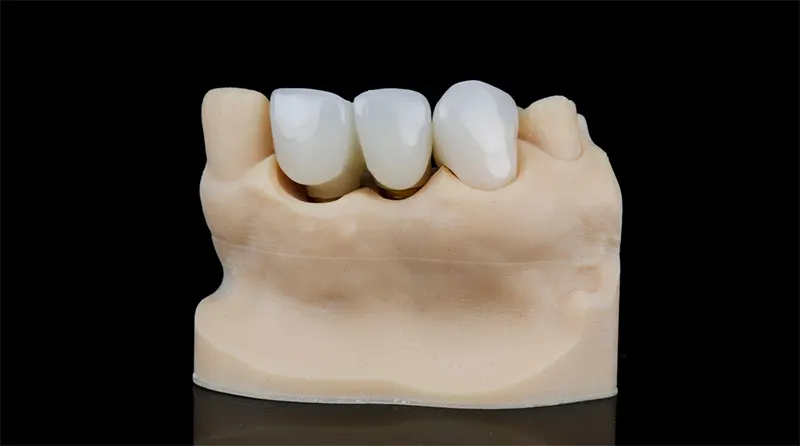
A dental bridge is a custom-crafted restoration designed to fill the space left by one or more missing teeth.
Made from durable porcelain or high-grade ceramic to closely match your natural teeth, a bridge typically consists of artificial teeth, called pontics, held securely in place by dental crowns anchored to adjacent natural teeth or dental implants.
Bridge Anatomy
How a Dental Bridge Replaces Missing Teeth
01
Replacement Tooth
The artificial tooth that fills the missing space is known as a pontic.
02
Supporting Crowns
Dental crowns can help hold the bridge securely in place when neighboring natural teeth are used for support.
03
Natural Teeth or Implants
Depending on the type of bridge, support may come from adjacent natural teeth or dental implants.
Types of Dental Bridges
During your consultation, our team will evaluate your oral health and walk you through the bridge options best suited for your lifestyle and goals.
01
Traditional Dental Bridges
A traditional bridge is supported by healthy natural teeth on either side of the gap.
These anchoring teeth are gently shaped to accommodate custom dental crowns, which hold the pontic securely in place.
02
Implant-Supported Bridges
For patients seeking a solution that does not alter adjacent natural teeth, an implant-supported bridge uses biocompatible titanium posts placed in the jawbone.
This approach preserves existing tooth structure while providing a stable foundation for the bridge.
The most appropriate bridge depends on your oral health,
supporting teeth, treatment goals, and individual needs.
Key Benefits of Dental Bridges
A custom dental bridge can restore missing teeth while supporting everyday function, appearance, and oral health.
01
Restore Chewing Ability
Replacing missing teeth can help restore comfortable chewing so you can enjoy your favorite foods with confidence.
02
Help Maintain Tooth Alignment
A bridge fills the open space and can help prevent remaining natural teeth from drifting out of position.
03
Close Hard-to-Clean Gaps
Replacing the missing tooth eliminates an open gap where food debris and bacteria may otherwise collect.
04
Durable Tooth Replacement
With proper care, a dental bridge can provide durable, long-lasting results for many years.
05
Simple Daily Care
Dental bridges are maintained with regular brushing, flossing, and appropriate daily oral hygiene.
Frequently Asked Questions
Dental bridge treatment is generally performed with local anesthesia to help keep you comfortable. Some mild sensitivity or tenderness may occur after the teeth are prepared, but this is usually temporary. If you experience persistent discomfort, contact our office so we can evaluate the area.
A well-made dental bridge may last approximately 7 to 15 years or longer with proper care. The lifespan of a bridge can depend on your oral hygiene, bite, condition of the supporting teeth, and regular dental checkups.
The exact timeline can vary depending on the type of bridge and your individual treatment needs. Traditional bridges usually require more than one appointment so the supporting teeth can be prepared, impressions or scans can be taken, and the final custom restoration can be fabricated and placed.
A traditional dental bridge is supported by natural teeth on either side of the missing tooth. An implant-supported bridge is supported by dental implants placed in the jawbone and may allow neighboring natural teeth to remain unchanged.
Dental bridges should be cared for with regular brushing, daily cleaning around and underneath the bridge, and routine dental examinations. Your dental team may recommend floss threaders, interdental brushes, or other cleaning tools to help keep the area around the bridge healthy.
As long as occlusal adjustment was completed with initial cementation, normal diet on the bridge is acceptable.
The health of the supporting teeth is important for the long-term success of a traditional bridge. If a supporting tooth develops decay, fractures, or other problems, the bridge may need to be evaluated, repaired, or replaced depending on the situation.
COMPASSIONATE DENTAL CARE FOR THE WHOLE FAMILY IN FLOWER MOUND