

Deep Cleaning in Flower Mound, TX
If you have been searching for “deep cleaning near me” or have been told that you may need a deep cleaning, Northshore Family Dental can help you understand your periodontal health and treatment options.
A deep cleaning, also called scaling and root planing, is a periodontal treatment used to remove plaque and tartar buildup from below the gumline and smooth the tooth roots when gum disease is present.
At Northshore Family Dental, we provide personalized periodontal care for patients in Flower Mound, TX and the surrounding communities. Our goal is to help you maintain healthy gums and protect your teeth for years to come.
At Northshore Family Dental, we provide careful evaluation and wisdom teeth removal for patients in Flower Mound, TX and the surrounding communities. Our goal is to make the process as comfortable, clear, and straightforward as possible.
What Is a Deep Cleaning?
A deep cleaning, or scaling and root planing, is different from a routine dental cleaning.
A regular cleaning focuses primarily on removing plaque and tartar from the visible surfaces of your teeth and around the gumline.
A deep cleaning is designed to treat areas below the gumline when gum disease has caused inflammation and deeper spaces, called periodontal pockets, to develop around the teeth.
During a deep cleaning, your dental provider carefully removes plaque and tartar from these areas and smooths the tooth roots to help the gums heal and reattach more closely to the teeth.
Do You Need a Deep Cleaning?
A deep cleaning may be recommended if you have signs of gum disease or buildup that extends below the gumline.
Bleeding Gums
Gums that bleed when brushing or flossing may be a sign of inflammation or gum disease.
Red, Swollen or Tender Gums
Persistent redness, swelling, or tenderness may indicate inflammation in the tissues surrounding your teeth.
Persistent Bad Breath
Ongoing bad breath can sometimes be associated with bacteria and buildup below the gumline.
Gum Recession
Receding gums can expose more of the tooth or root and may occur alongside periodontal disease.
Deeper Periodontal Pockets
Increased pocket depth around the teeth may indicate loss of healthy attachment between the gums and teeth.
Tartar Below the Gumline
Significant plaque or tartar buildup below the gumline may require periodontal treatment rather than a routine cleaning.
Bone Loss
Dental imaging may reveal bone loss associated with periodontal disease around the teeth.
Loose or Shifting Teeth
In more advanced cases, periodontal disease may affect the support around teeth and contribute to movement.
Not everyone who has plaque or tartar buildup needs a deep cleaning. Your dentist or dental hygienist will evaluate your gums, periodontal measurements, dental X-rays when appropriate, and overall oral health to determine whether a regular cleaning or periodontal treatment is appropriate.
Our Deep Cleaning Process in Flower Mound
We want you to understand what is happening and why treatment may be recommended. Your periodontal care is based on the condition of your gums, teeth, and supporting bone.
Comprehensive Periodontal Evaluation
We begin by examining your teeth and gums and evaluating the health of the tissues supporting your teeth. Dental X-rays may be used when appropriate to evaluate bone levels and areas not visible during a routine exam.
Personalized Treatment Plan
If periodontal treatment is recommended, we explain what we found and discuss your treatment options. Treatment may involve one or more appointments depending on the extent of gum disease.
Scaling & Root Planing
Plaque and tartar are carefully removed from above and below the gumline. The root surfaces are cleaned and smoothed to create a healthier environment for the gums to heal.
Periodontal Maintenance
After treatment, regular periodontal maintenance and good home care are important for maintaining healthy gums. We recommend an appropriate schedule based on your individual periodontal health.
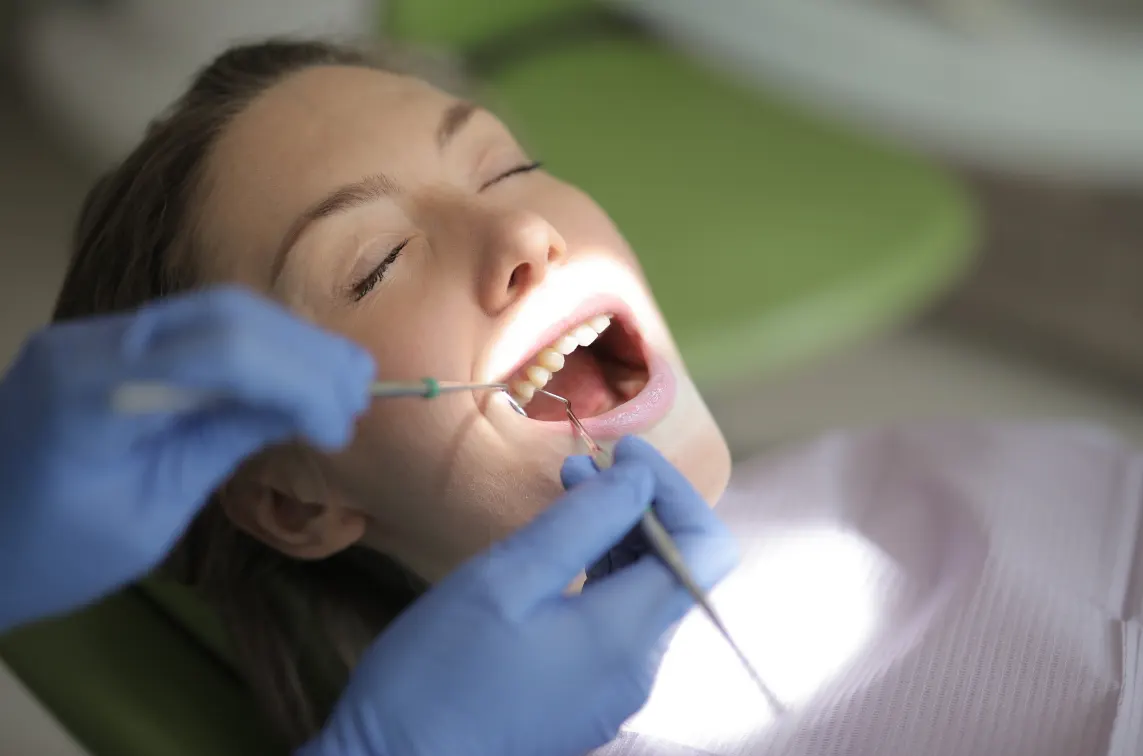
Deep Cleaning: Comfort & Cost
We want you to understand both what treatment may feel like and what factors can affect the cost before moving forward.
Is Deep Cleaning Painful?
We understand that the idea of a deep cleaning can make some patients nervous.
Local anesthesia may be used when appropriate to help keep you comfortable during treatment.
You may experience some tenderness or sensitivity afterward, but your dental team will provide instructions to help you care for your teeth and gums during the healing period.
How Much Does a Deep Cleaning Cost?
The cost of periodontal deep cleaning varies depending on factors such as:
- The extent of gum disease
- The number of areas requiring treatment
- The number of teeth involved
- Your dental insurance benefits
- Additional periodontal treatment that may be recommended
Before treatment, our team will explain the recommended care and discuss your estimated out-of-pocket costs.
If you have dental insurance, we can also help you understand how your benefits may apply to periodontal treatment.
Frequently Asked Questions
A deep cleaning may cause some sensitivity or tenderness, but local anesthesia can be used when appropriate to help keep you comfortable during treatment.
Some mild sensitivity or tenderness may occur afterward and generally improves as the gums heal.
The length of treatment depends on the extent of gum disease and the number of areas that need treatment.
Some patients may need treatment over more than one appointment. Your dental team will explain the recommended treatment schedule based on your individual needs.
No.
A regular dental cleaning is generally intended for maintaining healthy teeth and gums and removing plaque and tartar from accessible areas.
A deep cleaning, or scaling and root planing, is a periodontal treatment designed to clean below the gumline when gum disease has caused deeper periodontal pockets.
Dental insurance coverage varies by plan.
Some dental insurance plans provide benefits for periodontal treatment, but coverage, deductibles, frequency limitations, and patient responsibility can vary.
Our team can help you review your available benefits and estimated costs before treatment.
A deep cleaning is not typically a routine cleaning that patients receive on a regular schedule.
Once periodontal disease has been treated, ongoing periodontal maintenance may be recommended to help control the condition and maintain healthy gums.
Your recommended maintenance schedule will depend on your individual periodontal health.
