
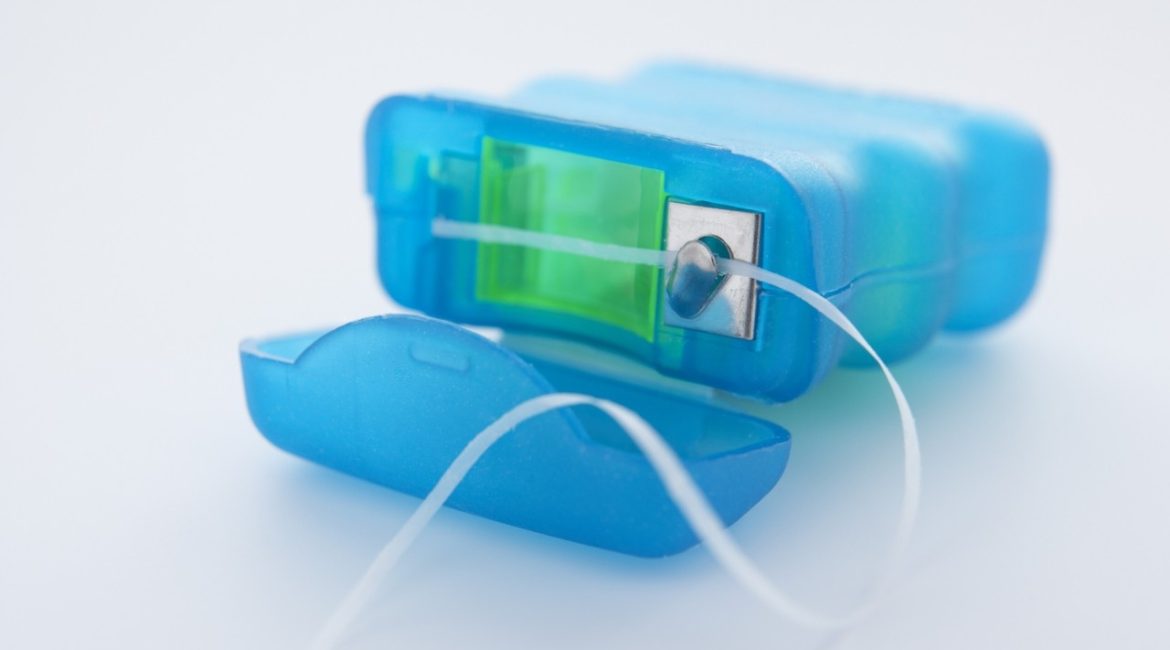
Traditional Floss vs. Water Flosser: Which Is Better for Your Teeth?
If you already brush twice a day, you may wonder whether you really need to floss, too. And if you do, is traditional dental floss enough, or would a water flosser be a better choice?
Water flossers have become increasingly popular because they are convenient, easy to use, and can help clean areas that are difficult to reach with a toothbrush. But does that mean you can stop using traditional floss?
Ideally, both have a place in your oral hygiene routine. A water flosser can be an excellent addition to traditional flossing, but it should not automatically be considered a complete replacement.
At Northshore Family Dental, we believe it is important to understand not just how these tools work, but what they are designed to accomplish.
1. Why Cleaning Between Your Teeth Matters
Your toothbrush does a great job cleaning many of the accessible surfaces of your teeth. However, when teeth touch, the contact areas and the surfaces just below them can be difficult for toothbrush bristles to reach.
These areas can accumulate dental plaque, also known as biofilm.
Biofilm is a structured community of microorganisms that attaches to tooth surfaces. When bacteria in dental biofilm metabolize fermentable carbohydrates, they produce acids that can contribute to tooth decay. Biofilm accumulation along the gumline and between teeth can also contribute to gingivitis and periodontal disease.
The goal of interdental cleaning is not simply to remove food particles. It is to disrupt and remove plaque biofilm from surfaces that brushing alone may not adequately clean.
This distinction matters when comparing traditional floss and a water flosser.
2. Traditional Floss: Direct Contact With the Tooth Surface
Traditional dental floss works through direct mechanical contact with the tooth.
When used properly, floss is gently guided between two teeth and curved around one tooth at a time. It moves along the side of the tooth, including the area near and just below the gumline, before being repositioned against the neighboring tooth.
This direct contact helps mechanically disrupt and remove plaque biofilm from the tooth surfaces.
Simply snapping floss between the teeth and pulling it back out is not enough. The goal is to clean the sides of both teeth, not just pass a thread through the contact point.
Traditional floss is particularly useful when the teeth are in close contact and there is little space for other cleaning tools.
However, technique matters. Flossing too aggressively can injure the gums, while incomplete technique may leave plaque behind.
3. Water Flossers: A Useful Tool for Interdental Cleaning
A water flosser uses a directed stream of water to flush and clean around the teeth and along the gumline.
For many people, it offers practical advantages:
- It can be easier to use for people who struggle with traditional floss.
- It can help clean around braces, bridges, implants, and other dental appliances.
- It can help remove loose food debris from areas that are difficult to access.
- It can help reduce gingival inflammation and bleeding when used consistently and correctly.
Research supports the use of water flossers as an effective adjunct to brushing, particularly for improving some measures of gingival health.
However, the way a water flosser works differs from the way traditional floss works. A stream of water can flush debris and disrupt biofilm, but it does not provide the same direct, tooth-hugging mechanical contact as properly used string floss.
This is especially relevant when considering plaque attached to the interproximal surfaces of teeth.
4. Can a Water Flosser Replace Traditional Floss?
This is the most important question—and the answer deserves some nuance.
A water flosser can be very beneficial, and clinical studies have found that it can improve gum health and reduce gingival bleeding. Depending on the individual and the outcome being measured, it may perform as well as or better than traditional floss for certain measures.
However, results vary according to the device, technique, patient, and clinical outcome being evaluated. It would be inaccurate to say that water flossers never remove biofilm effectively or that traditional floss is always superior in every situation.
The key distinction is that traditional floss provides direct mechanical contact with the sides of the teeth, helping physically disrupt the biofilm attached to those surfaces.
Because the goal of interdental cleaning is to disrupt and remove plaque biofilm—not simply rinse away debris—we should not assume that using a water flosser alone accomplishes everything that properly performed traditional flossing does.
For patients whose teeth are tightly touching, traditional floss remains a valuable way to clean the contact areas. A water flosser can complement that process by helping clean along the gumline and around areas that may be difficult to access.
A water flosser is an excellent addition to your routine, but it should not automatically replace traditional floss when direct mechanical cleaning between the teeth is appropriate.
5. Why Not Use Both?
If your goal is to maintain healthy teeth and gums, using both tools can be a practical approach.
Traditional floss provides direct mechanical cleaning along the sides of the teeth. A water flosser adds another method of cleaning around the gumline and flushing areas that may be difficult to access.
Together, they can make your interdental cleaning routine more comprehensive.
For example, you might use traditional floss to clean the contact surfaces between your teeth, then use a water flosser to clean along the gumline and around dental work.
The exact routine can depend on your oral health, dexterity, periodontal condition, and dental anatomy. If you have braces, implants, bridges, periodontal pockets, or spaces between your teeth, your dentist or dental hygienist can recommend the most appropriate tools for your situation.
It is also worth remembering that interdental brushes may be more effective than string floss for certain larger interdental spaces. The best tool depends on the space you are trying to clean.
6. The Most Important Thing Is Consistency and Proper Technique
Even the best cleaning tool will not be effective if it is used inconsistently or incorrectly.
For a healthy daily routine:
- Brush twice a day with fluoride toothpaste.
- Clean between your teeth at least once a day.
- Use traditional floss with proper technique when it is suitable for your tooth contacts.
- Consider adding a water flosser, particularly if you have dental appliances, difficulty using floss, or areas that are challenging to clean.
- Ask your dental professional whether interdental brushes or other specialized tools would be helpful for your specific needs.
If your gums bleed regularly when you clean between your teeth, do not simply ignore the bleeding. It can be a sign of gingival inflammation, and persistent bleeding should be evaluated by a dental professional.
The Bottom Line: Think of Them as Complementary Tools
Traditional floss and water flossers are not necessarily competing products. They work differently, and both can contribute to a healthier mouth.
Traditional floss offers direct mechanical contact with the tooth surfaces, helping disrupt plaque biofilm between teeth. Water flossers offer a convenient way to clean around the gumline and dental appliances and can improve gum health when used properly.
For many people, using both provides a practical, comprehensive approach to interdental care.
At Northshore Family Dental, our goal is to help you choose the right tools for your individual needs—not simply to recommend the newest or most convenient product.
Remember: the goal is not just to rinse between your teeth. It is to disrupt and remove plaque biofilm consistently, using the right technique and tools for your mouth. When appropriate, think of water flossing as an addition to traditional flossing, not an automatic replacement.
